
History of Sotai
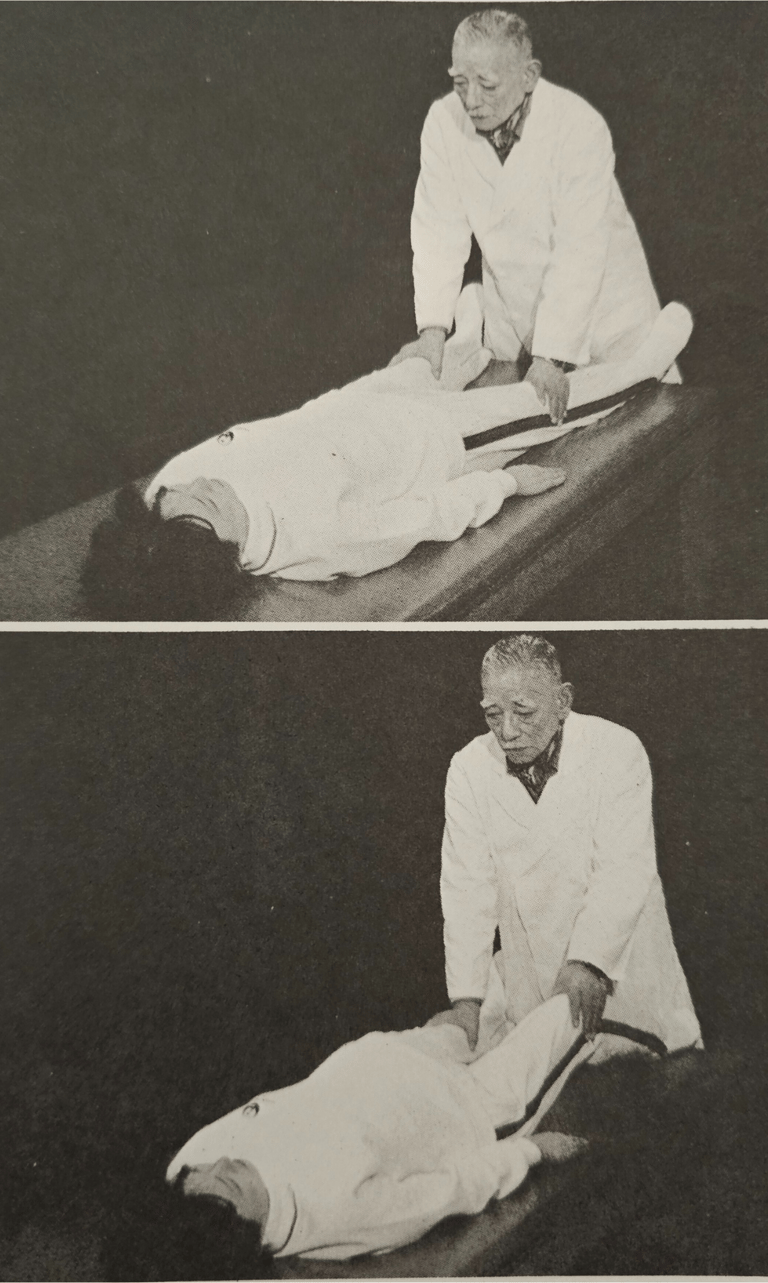
Sotai is a Japanese bodywork and movement method developed in the mid-20th century by Dr. Keizo Hashimoto (1897–1993), a physician and acupuncturist. Dr. Hashimoto integrated both Eastern and Western medical principles to create Sotai, which emphasizes the natural alignment and movement of the body as a means of healing.
Early Development:
Dr. Hashimoto began his career as a traditional Western-trained doctor but soon became interested in alternative healing approaches, particularly those rooted in Eastern medicine. He recognized that many chronic conditions and musculoskeletal pains were linked to imbalances in the body’s movement patterns rather than just physical trauma or disease. Drawing on his knowledge of anatomy, physiology, and traditional Japanese practices like acupuncture and Kampo (herbal medicine), he sought a holistic method to address these issues.
Concept of “Natural Movement”:
Central to Sotai is the idea that pain and dysfunction arise when the body’s natural movement is disrupted by tension or imbalances. Dr. Hashimoto theorized that the body, when gently guided into positions of ease and comfort, could re-align itself and restore its optimal function. He believed that instead of fighting against pain, the body should be moved in ways that feel natural and pain-free. This concept of working with the body, rather than against it, became a cornerstone of Sotai.
Influence of Traditional Japanese Medicine:
Dr. Hashimoto drew heavily from Seitai, a traditional Japanese practice focused on aligning the body’s structural and energetic balance. He also incorporated elements of Shiatsu (Japanese acupressure), emphasizing the body’s meridian system, and principles of Yin-Yang balance from Chinese medicine. Sotai was unique in that it combined these ancient practices with modern understanding of biomechanics.
Methodology:
The method Dr. Hashimoto created revolves around simple, assisted exercises where the patient moves their body in the direction of ease—rather than resistance—while breathing deeply. These exercises are performed in a coordinated manner between the practitioner and the patient, using subtle movements to retrain the muscles, joints, and nervous system. The practice helps reset the body's alignment and function, often leading to relief from chronic pain and stiffness.
Global Influence and Legacy:
After its creation, Sotai spread within Japan and eventually gained recognition internationally. Dr. Hashimoto’s students continued to teach and refine the method, and today, Sotai is practiced around the world by bodyworkers, acupuncturists, physical therapists, and even physicians seeking a holistic approach to movement therapy.
Though less well-known than some other Japanese healing arts, Sotai remains a powerful tool for promoting natural movement, healing, and wellness in a non-invasive, gentle way that reflects the balance between mind, body, and nature.
Can Sotai help me?
Sotai is meant for everyone. Speed is the name of the game when it comes to pain management, and we pride ourselves on Sotai’s gentle ability to restore movement, even within just one session. By working with your body’s natural mechanics, we make movement easier, pain-free, and more balanced—without force or strain.
Many of our clients have tried traditional methods like physical therapy, chiropractic care, and massage with limited success. Whether you're dealing with chronic discomfort, recovering from an injury, or just want to move better, we’ve got you covered.
If other methods haven’t given you the results you need, please give us a try!


© 2026. All rights reserved.


Address
2510 Greenbay Rd. Evanston, IL 60202
Open to travel
Phone: (872) 262-0393
Email: thesotaiclinic@gmail.com
Hours:
The Sotai Clinic is available by appointment only.
Please schedule an appointment or reach out to inquire about a time.
By subscribing, you consent to receive updates from our company. We will never give or sell your email for any purpose.